The Role of Inspections in Successful Outsourced Assembly
Understanding Outsourced Assembly Services
Overview of Outsourced Assembly
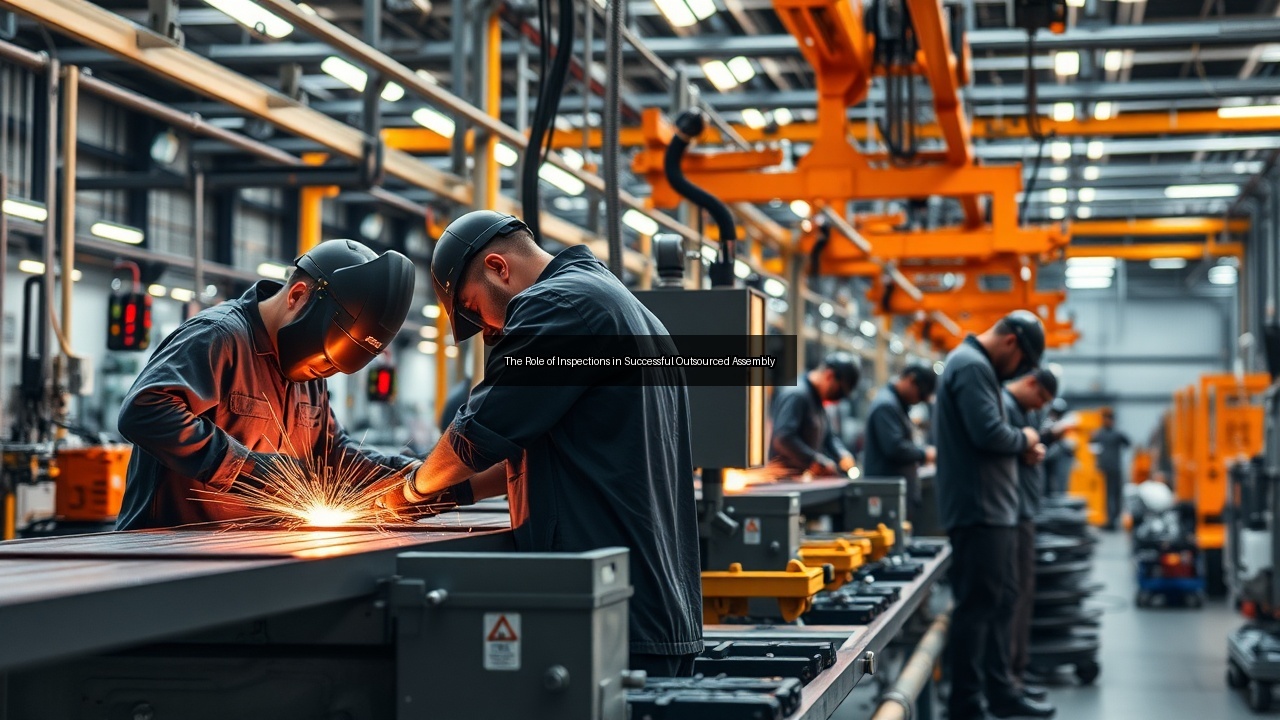
Outsourced assembly services allow manufacturers to hand off production tasks to specialized partners who handle component integration, subassembly, and final product completion. Companies gain access to dedicated facilities equipped for high-volume runs without investing in their own plants or labor pools. This model covers everything from simple mechanical joining to complex sequences that include welding and packaging. Firms that choose outsourced assembly services often operate in fast-moving sectors where scaling production quickly matters more than owning every step of the process. Clear contracts define quality standards, delivery schedules, and inspection checkpoints, which keeps both sides aligned on expectations from day one.
Benefits of Outsourcing Assembly
Outsourcing assembly reduces capital outlays for equipment and floor space while shifting variable costs into predictable service fees. Manufacturers concentrate internal resources on design, marketing, and core engineering instead of managing assembly lines. Partners bring specialized skills in welding, testing, and packaging that internal teams might lack. Lead times shorten because experienced providers already run optimized workflows. Reliability improves when the same partner repeats proven processes across multiple projects. Companies also gain flexibility to ramp volumes up or down without hiring or laying off staff, which protects margins during market swings.
Key Industries Utilizing Outsourced Assembly
Automotive suppliers rely on outsourced assembly services for seat modules, wiring harnesses, and dashboard clusters. Electronics firms outsource board population and enclosure finalization to keep pace with short product cycles. Medical device makers contract assembly of diagnostic equipment where traceability and cleanliness protocols demand dedicated environments. Fabrication shops in construction and architecture send structural components for welding and finishing at partner plants. Industrial equipment producers outsource gearbox and pump assembly to hit tight time-to-market windows. Each sector values the combination of cost control and consistent output that specialized assembly services deliver.
The Importance of Inspections in Outsourced Assembly
Role of Inspections in Quality Control
Inspections form the backbone of quality control when production happens outside company walls. They verify that every weld meets strength specifications, every fastener reaches correct torque, and every packaged unit matches the approved configuration. Without regular checks, small deviations compound into field failures that damage brand reputation. Inspections also confirm that partners follow documented processes rather than taking shortcuts to meet deadlines. This oversight protects the manufacturer’s liability and ensures the final product performs as designed. Data from each inspection feeds continuous improvement loops that raise overall output standards.
Types of Inspections in Assembly Processes
First-article inspections confirm that initial production units meet drawings before full runs begin. In-process checks on the assembly line catch misaligned parts or incorrect components before they move downstream. Final audits examine finished goods for cosmetics, function, and packaging integrity. Dimensional inspections use gauges and coordinate measuring machines to verify tolerances on critical features. Functional tests simulate real-world conditions to prove reliability under load or temperature extremes. Visual inspections by trained personnel still catch surface defects that automated systems sometimes miss. Each type serves a distinct purpose within a layered approach to quality.
Impact of Inspections on Reliability
Consistent inspections directly raise product reliability by eliminating latent defects before shipment. Assemblies that pass multiple checkpoints exhibit fewer warranty claims and lower failure rates in customer hands. Data collected during inspections highlights recurring issues such as supplier part variation or fixture wear, allowing corrective action before problems multiply. Over time, the reliability gains translate into stronger customer loyalty and reduced service costs. Manufacturers who treat inspections as a strategic control point rather than a cost center see measurable improvements in field performance metrics.
Best Practices for Conducting Inspections
Establishing Inspection Protocols
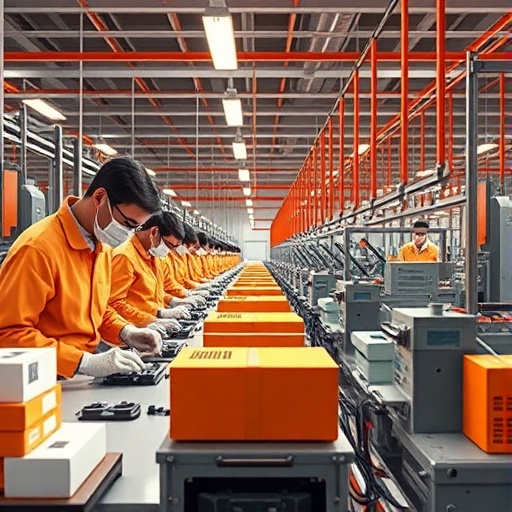
Effective protocols start with clear acceptance criteria tied to customer specifications and regulatory requirements. Teams define sampling plans, measurement methods, and escalation paths before production starts. Written checklists prevent inspectors from overlooking steps during high-volume runs. Training programs ensure every inspector understands both the technical requirements and the documentation standards. Protocols also specify how to handle nonconforming material so that root causes receive attention rather than just symptoms. Regular reviews update these documents as designs or processes evolve.
Integrating Inspections in the Assembly Line
Placing inspection stations at natural breakpoints in the assembly line catches errors early and keeps rework minimal. Inline vision systems or torque verification stations provide immediate feedback to operators without stopping flow. Mobile inspection carts allow flexible coverage when volumes shift between product families. Clear labeling of accepted and rejected material prevents mixing and maintains traceability. Line-side inspectors work closely with operators to address issues in real time rather than batching problems for later review. This integration turns inspections into a value-adding step instead of a bottleneck.
Leveraging Technology for Inspections
Digital tools now capture inspection results directly into shared databases that both the manufacturer and the assembly partner can access. Automated optical inspection cameras scan weld seams and solder joints at speeds impossible for human eyes. Coordinate measuring machines linked to statistical software flag trends before parts drift out of tolerance. Barcode or RFID scanning tracks every unit through each checkpoint, creating a complete audit trail. Mobile apps let inspectors photograph defects and attach notes instantly, speeding communication and corrective action. These technologies reduce human error while increasing the volume of data available for analysis.
Challenges and Solutions in Outsourced Assembly Inspections
Addressing Common Inspection Challenges
Language barriers and differing quality cultures sometimes create misunderstandings about acceptance standards. Distance between sites can delay physical reviews when issues arise. Varying skill levels among inspectors lead to inconsistent results if training is not standardized. To overcome these hurdles, companies establish joint training sessions, shared digital work instructions, and periodic audits by the manufacturer’s own quality team. Video calls and shared dashboards keep communication open even when travel is limited. Standardized checklists written in simple language further reduce ambiguity.
Managing Waste in Assembly Plants
Inspections reveal sources of waste such as excess packaging material, scrapped parts from misfeeds, and rework loops caused by upstream errors. Partners who track defect data by station can target root causes and reduce scrap rates over successive runs. Implementing poka-yoke fixtures prevents common assembly mistakes that generate waste. Just-in-time material delivery aligned with inspection schedules minimizes excess inventory that could become obsolete. Sustainability goals now push plants to recycle packaging and reclaim metal shavings from welding operations, turning potential waste streams into cost recoveries.
Ensuring Timely Inspections to Improve Time-to-Market
Delays in inspection sign-off directly extend time-to-market. Scheduling inspections in parallel with final assembly stages compresses the overall cycle. Digital approval workflows allow remote reviewers to release lots without waiting for physical paperwork. Pre-shipment inspection windows built into contracts enforce discipline on both parties. When inspectors work from the same real-time data feeds as the assembly line, they identify and clear batches faster. Faster clearance keeps finished goods moving to distribution centers and ultimately to customers ahead of competitors.
Future Trends in Outsourced Assembly and Inspections

Emerging Technologies in Assembly and Inspections
Collaborative robots now handle repetitive inspection tasks alongside human operators, freeing skilled staff for complex judgments. Machine learning models trained on historical defect images predict where problems are likely to occur on new product variants. Augmented reality overlays guide inspectors through unfamiliar assemblies and highlight critical dimensions in real time. 3D scanning combined with digital twins lets teams compare physical parts against nominal models without traditional fixtures. These advances raise inspection coverage while lowering labor costs per unit.
Sustainability and Waste Reduction in Outsourced Assembly
Future contracts increasingly tie payment to waste reduction metrics in addition to quality and delivery. Plants adopt closed-loop material systems that feed scrap back into upstream processes. Water-based cleaning solutions replace solvent baths in welding prep areas, cutting hazardous waste. Energy monitoring at each assembly station identifies opportunities to lower consumption during idle periods. Inspection data now includes environmental parameters such as material yield and energy per unit, giving manufacturers visibility into the sustainability performance of their outsourced assembly services.
The Role of Inspections in Automotive and Fabrication Industries
Automotive programs demand zero-defect targets that inspections must support across global supply chains. Fabrication shops producing architectural steel or heavy equipment frames rely on weld inspections to meet structural codes. Both sectors now require digital traceability from raw material through final packaging. Inspections verify not only dimensions but also process parameters such as weld heat input and coating thickness. As electric vehicle platforms and modular construction methods expand, inspection protocols evolve to cover new joining techniques and lighter materials. Reliable inspection regimes remain central to maintaining safety and performance in these demanding applications.